Copyright 2026 © Richin Teco.co,Ltd
All Rights Reserved. Website Design by Awakening Design
技術中心
Department of Mold and Die Engineering, National Kaohsiung University of Science and Technology Chia-Ching Wu, Assistant Professor
Department of Mold and Die Engineering, National Kaohsiung University of Science and Technology Po-Hsuan Chiu, Master's Student
Department of Mold and Die Engineering, National Kaohsiung University of Science and Technology Hsuang-Han Ku, Master's Student
Department of Mold and Die Engineering, National Kaohsiung University of Science and Technology Huai-Bin Huang, Master's Student
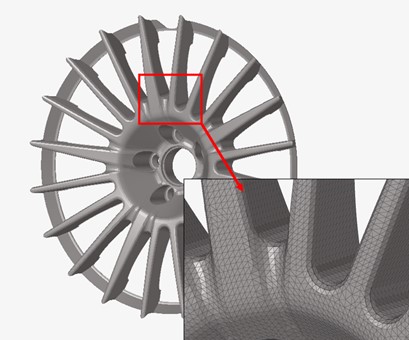
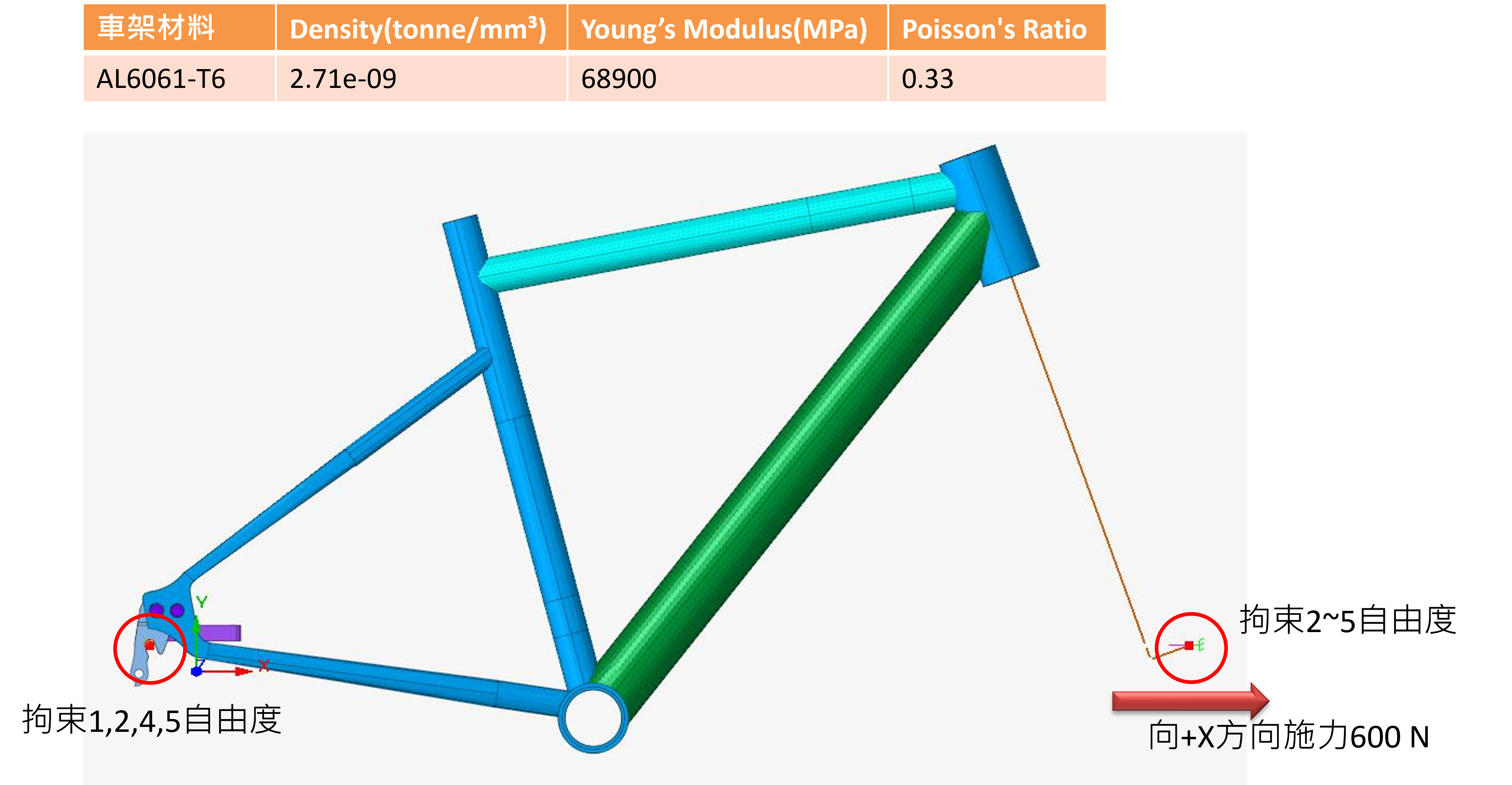
Carbon fiber composites, known for their excellent specific strength and specific stiffness, have been widely applied in the design and manufacturing of high-performance products such as bicycle frames, various sporting goods, and automotive structural components. In the mechanical analysis of composite structures, 2D shell elements based on Classical Laminate Plate Theory are commonly used for modeling, effectively describing the mechanical response of laminated structures with uniform thickness.
However, for components with significantly non-uniform thickness and complex geometric features, such as automotive wheel rims, this approach often fails to fully capture stress distributions and failure modes caused by local thickness variations, thereby affecting analysis accuracy and design reliability. Therefore, this paper adopts 3D solid element modeling for the structural analysis of carbon fiber wheel rims, enabling the results to more realistically reflect actual material and geometric characteristics.
Department of Mechanical Engineering, National Chung Cheng University Chung-Yu Tsai, Professor
Department of Mechanical Engineering, National Chung Cheng University Chen-Chieh Fang, Master's Student
Department of Mechanical Engineering, National Chung Cheng University Yu-Ruei Wen, Master's Student
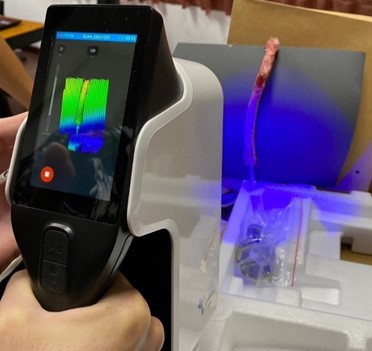
Rib fractures are among the most common injuries in thoracic surgery, primarily caused by external forces such as traffic accidents or falls from height. Patients often experience severe pain and breathing difficulties, significantly affecting quality of life.
Clinically, internal fixation surgery using titanium alloy bone plates is commonly performed to enhance stability and promote fracture healing. However, most existing bone plates are standardized designs and may not fit the rib curvature of different patients well, resulting in insufficient fixation stability and postoperative discomfort.
To address this issue, this study proposes a customized bone plate design workflow that integrates topology optimization (Topology Optimization), optimization analysis (Optimization Analysis), and AI prediction (AI Prediction). By building a pig rib model similar to human ribs, combining finite element analysis (Finite Element Analysis, FEA) and the Altair HyperWorks™ software suite for simulation, and incorporating an AI model to accelerate the design and analysis process.
The ultimate goal of this research is to establish a bone plate design platform featuring “high conformity, lightweighting, and high prediction efficiency,” providing clinicians with an automated and intelligent assistive tool.
![]()
Tyco Electronics Singapore Pte. Ltd., Taiwan Branch Hsin-Hung Chen, Deputy Manager
Tyco Electronics Singapore Pte. Ltd., Taiwan Branch Wei-Che Chung, Senior Engineer
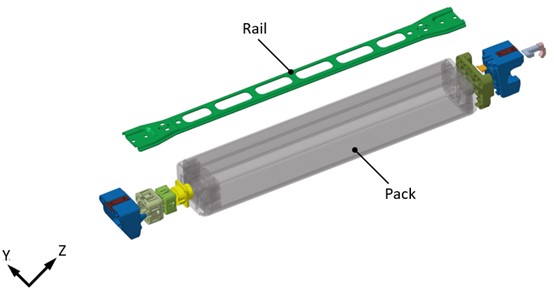
With the rapid advancement of technology, transportation and industrial vehicles are undergoing electrification, and bicycles are no exception. This study focuses on a battery pack designed for use in electric bicycles. When the battery pack is mounted on the bicycle, it experiences various road-induced load conditions during riding, which may cause structural damage to the battery pack.
If vibration-induced damage can be considered during the early stages of product design — even before development begins — the overall R&D cost can be significantly reduced.
![]()
Richin Technology William
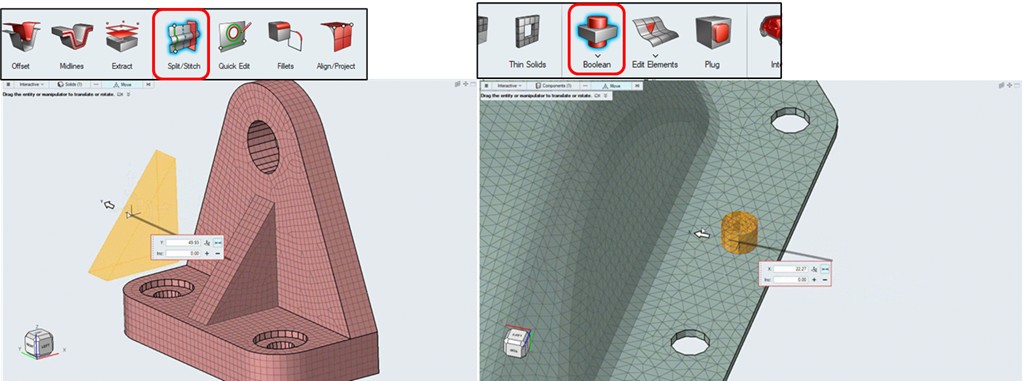
In the 2025 new versions of HyperMesh and SimLab, in addition to many new features in pre-processing, modeling efficiency has also been greatly improved. This update of HyperMesh focuses on optimizing the user interface (UI), improving modeling efficiency, and strengthening the practicality of secondary development and Physics AI; SimLab has been comprehensively updated, including interface improvements, enhanced fluid meshing, Flux modeling and solver interfaces, and improved support across various solver operation interfaces.
Chenbro Micom Co., Ltd. Andy Chen, Deputy Manager
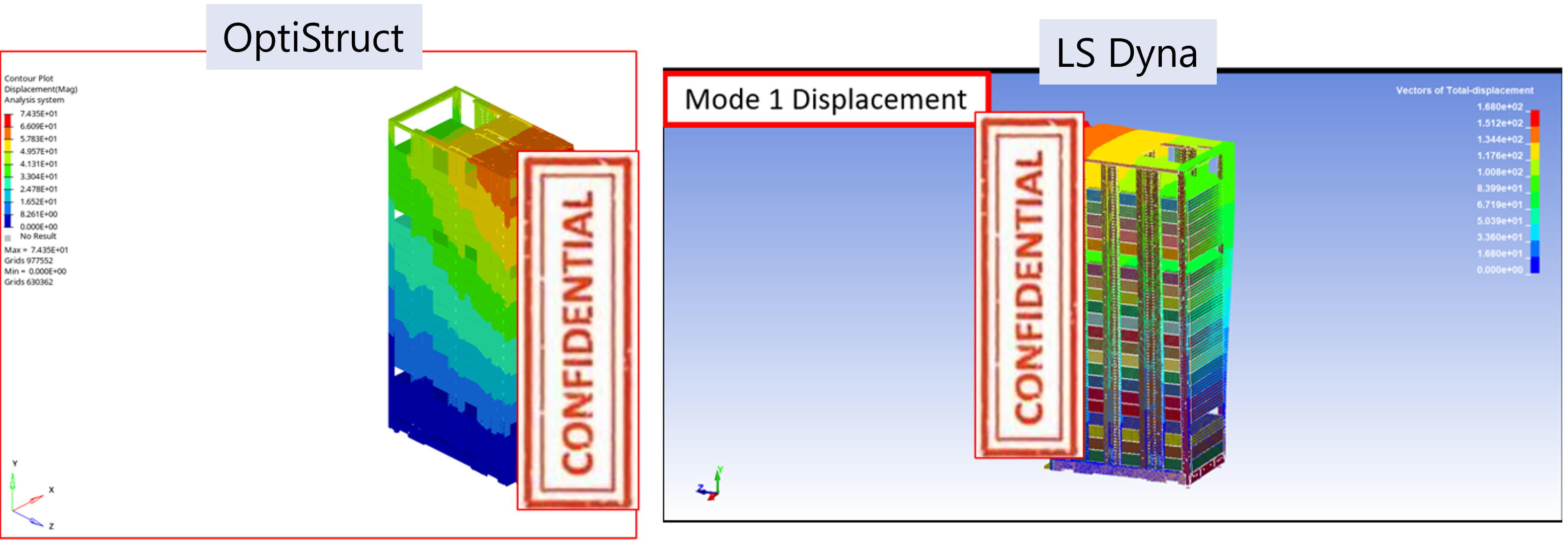
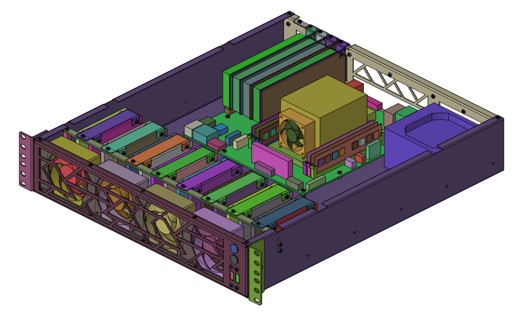
As a leading manufacturer of server chassis, “Chenbro” faces challenges driven by the rapid growth of high-density computing and AI applications: more complex rack structures and more attached equipment, all while ensuring thermal management, acoustics, and seismic reliability. Traditional approaches that rely heavily on physical seismic testing not only require long schedules and high costs, but also become a major obstacle to rapid product iteration.
To reduce reliance on physical testing and shift risk forward to the design stage, Chenbro adopted OptiStruct and established a complete CAE workflow. This paper focuses on explaining how, in a seismic analysis project involving a 42U rack and a rear-mounted silencing device, the validation process was optimized and tangible gains were achieved in both efficiency and cost.
![]()
Accton Technology Corporation|Ting-Wei Huang, Structural Engineer
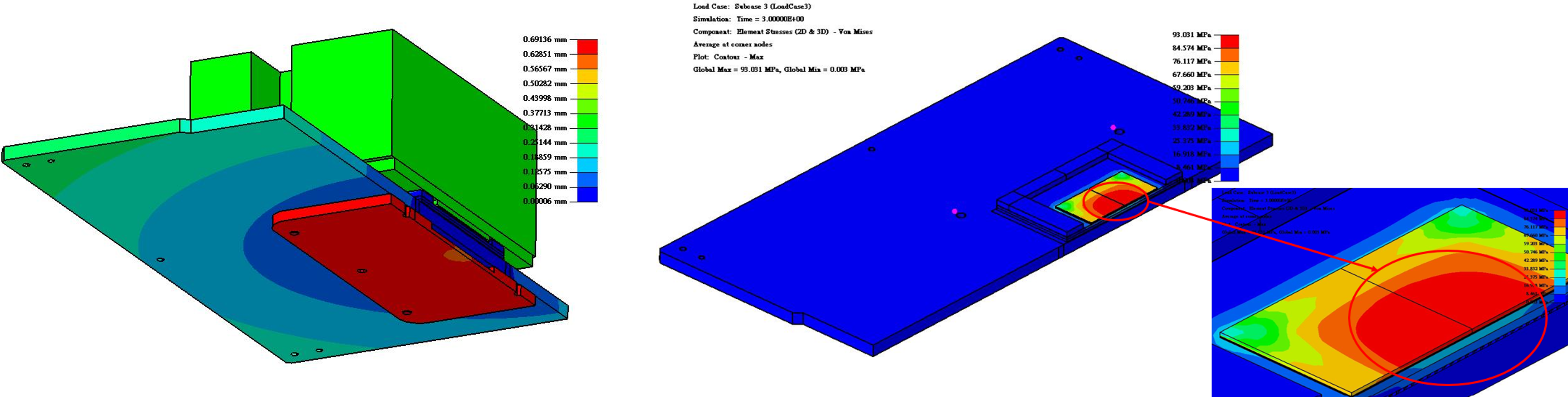
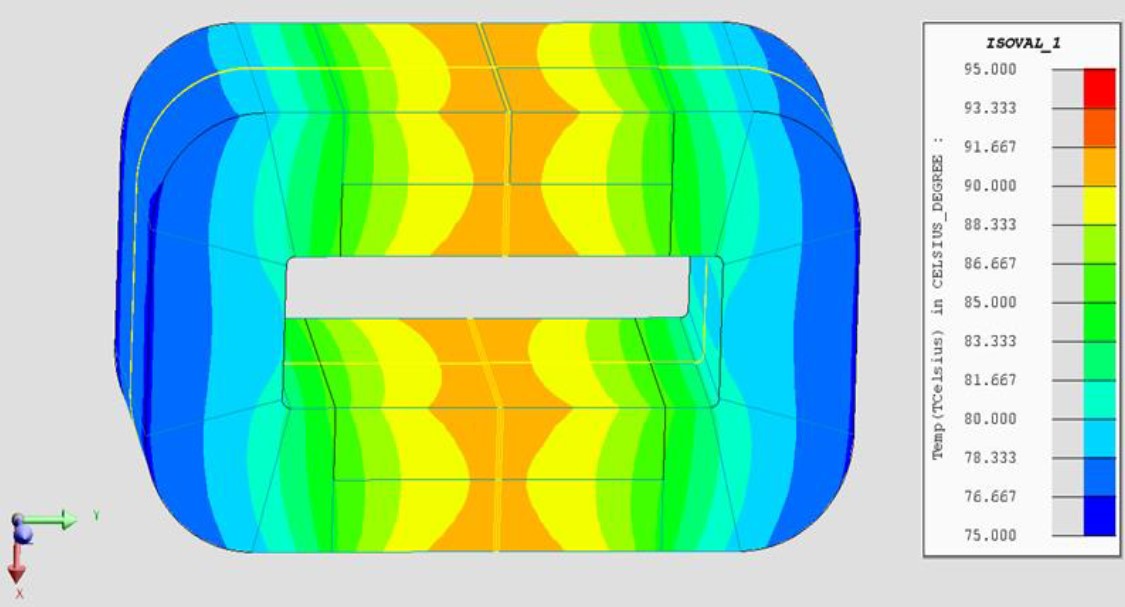
Due to the explosive growth in AI computing demand in recent years, product architectures have continued to expand, power consumption has steadily increased, and chip size and complexity have risen significantly. These factors together have triggered serious thermal issues, especially PCB warpage under high-temperature operation, which may cause solder ball cracking and affect product reliability.
By leveraging professional numerical simulation tools (SimLab & OptiStruct), integrating chip characteristics, rapid BGA modeling, PCB equivalent models, and material mapping, we can make predictions in the early design stage and provide evaluation and optimization recommendations to avoid potential issues that may occur in the future.
![]()
Richin Technology Su Hung-Ping, Manager
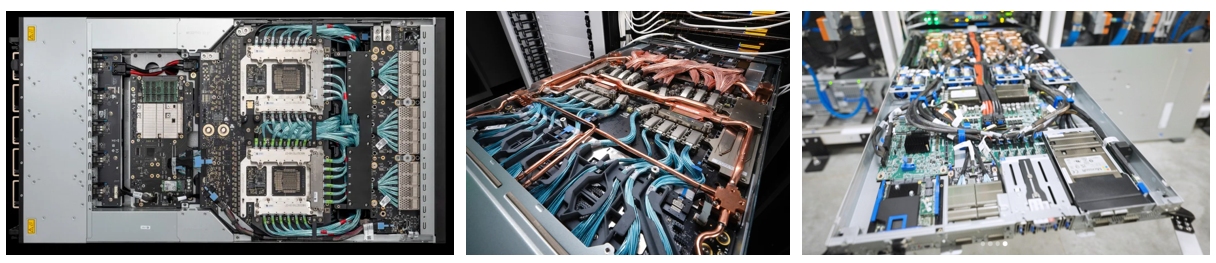
In recent years, server computers have moved toward higher density, especially in AI servers, where more components such as CPUs, GPUs, memory, and storage devices must be accommodated. To meet high-performance computing (HPC) requirements, high-speed and stable data transmission is needed, which has led to an increase in the number of cables and posed significant challenges for wire harness layout and management.
Good wire harness layout must consider multiple constraints and engineering considerations simultaneously:
Among the analysis tools in HyperWorks, the tools suitable for this type of wire harness simulation include MotionSolve and Radioss.
![]()
Wise Innovation Technology Co., Ltd.|Wei-Han Huang, 3D Product Designer
With the rapid development of AI and high-performance computing, their remarkable computing capabilities have also brought unprecedented high-density heat sources, posing severe challenges to existing thermal management technologies.
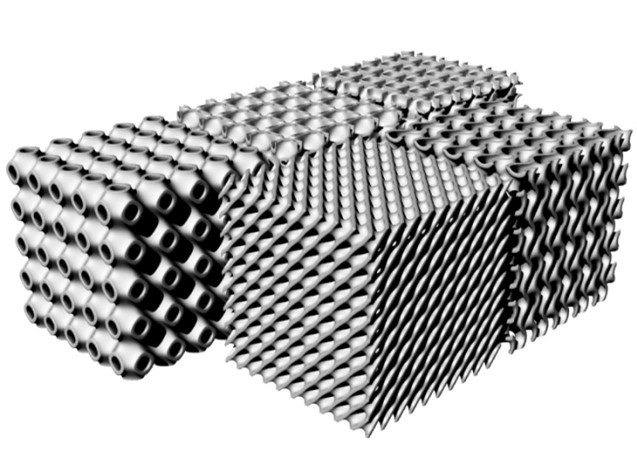
Traditional heat exchangers are constrained by established manufacturing methods in both design and production, and can no longer meet the ultimate thermal performance demands of next-generation applications. This is not only a performance bottleneck but also a key barrier that limits continued innovation. Against this backdrop, metal 3D printing technology fundamentally reshapes the design and manufacturing logic of thermal management devices, providing a viable engineering path to overcome this bottleneck.
By giving engineers unprecedented design freedom, this technology enables complex internal flow channels and optimized structures that are unattainable with traditional manufacturing methods, fundamentally changing the design, manufacturing, and final performance of thermal management devices.
This article will explain how combining CAE simulation and validation workflows can significantly improve heat exchanger thermal performance, boosting heat transfer capacity by 150% and surpassing commercially available fin-type heat sinks by 27%, while reducing pressure drop by 96%. It also shortens the development cycle by 60% and reduces overall costs by more than 80%, providing a complete and highly efficient solution to meet future thermal management challenges.
Richin Technology Jun-Kuan Lee, CFD Technical Specialist
Although professional acoustic simulation software ultraFluidX is highly accurate, it involves massive computation and requires extremely high hardware performance. In this case, our goal is not to obtain an exact decibel value that perfectly matches microphone measurements, but to quickly verify whether the “adding sound-absorbing foam” solution is truly effective.
Therefore, using the “approximation approach” in AcuSolve is a smarter engineering strategy. In this practical case, a server hard drive (Figure 1) was affected by fan noise, resulting in decreased read/write speed.
By comparing before and after adding sound-absorbing foam, the maximum difference in surface sound pressure level of the hard drive reached “5.54 dB”, quantifying the impact of aeroacoustic noise, and ultimately defining a noise threshold of “75 dB” for the hard drive read/write performance in this case.
Moxa Inc. Yi-Cheng Liu, Hardware Engineer
In the early stages of product design, engineering teams often face issues such as diverse design requirements, interdependent constraints, and time-consuming trial-and-error processes. A “product installation kit” is a typical case: it must simultaneously balance structural strength, disassembly feel, and displacement travel. Traditional approaches require extensive manual adjustments and repeated validation. However, through the parametric optimization workflow of Altair HyperStudy, the entire analysis and optimization process can be automated, significantly shortening the timeline and providing precise design decision support.
This article focuses on using HyperStudy for parametric setup, optimization workflow construction, solver approaches, and actual results under two different design scenarios.
Industrial Technology Research Institute Yu-Shen Lee, Associate Researcher
The rapid growth of AI servers is driving a surge in global data center power demand, making power converter efficiency and power density key challenges. To strike a balance between high efficiency and low loss, this article introduces a joint simulation development workflow using PSIM + Flux, which can accurately predict loss distribution in the early design stage, validate control strategies, and evaluate thermal performance, significantly shortening R&D cycles and improving product performance.
![]()
Richin Technology|Ying-Cheng Hsu, Associate Vice President
After several rounds of updates, PhysicsAI has added many new features. In addition to breakthroughs in algorithms and accuracy, it now offers more comprehensive data support and high-performance computing capabilities. This not only provides more accurate and smoother prediction results, but also significantly enhances efficiency and practicality in real engineering applications. Based on these feature enhancements, we have also implemented several engineering applications in practice. Through this technical column, We help identify the technical challenges to be overcome and the specific implementation methods, ensuring that everyone can maximize the benefits when applying PhysicsAI in future applications.
Zhenfeng Corporation|Dr. Mian-Li Wang
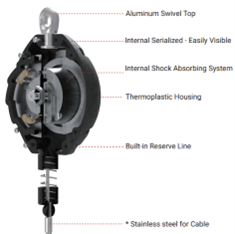
Safety protection in high-altitude working environments is crucial, especially in the design of fall protection devices (SRL, self-retracting lifeline) and impact energy absorption structures. Traditional engineering design often relies on experience or time-consuming trial-and-error methods, making it difficult to cope with the complexity brought by nonlinear structural analysis and the exploration needs of multi-solution design.
By leveraging CAE technology, generative topology optimization, and the data-driven AI analytics software RapidMiner, parameters of fall protection devices can be evaluated and the classification and clustering optimization of energy absorption devices can be realized. Through this intelligent, data-oriented new model, engineers can quickly derive lightweight, high-strength designs with optimal energy absorption benefits without repeatedly meshing and simulating.
![]()
MediaTek Inc. Yu-Ru Chen, Senior Engineer
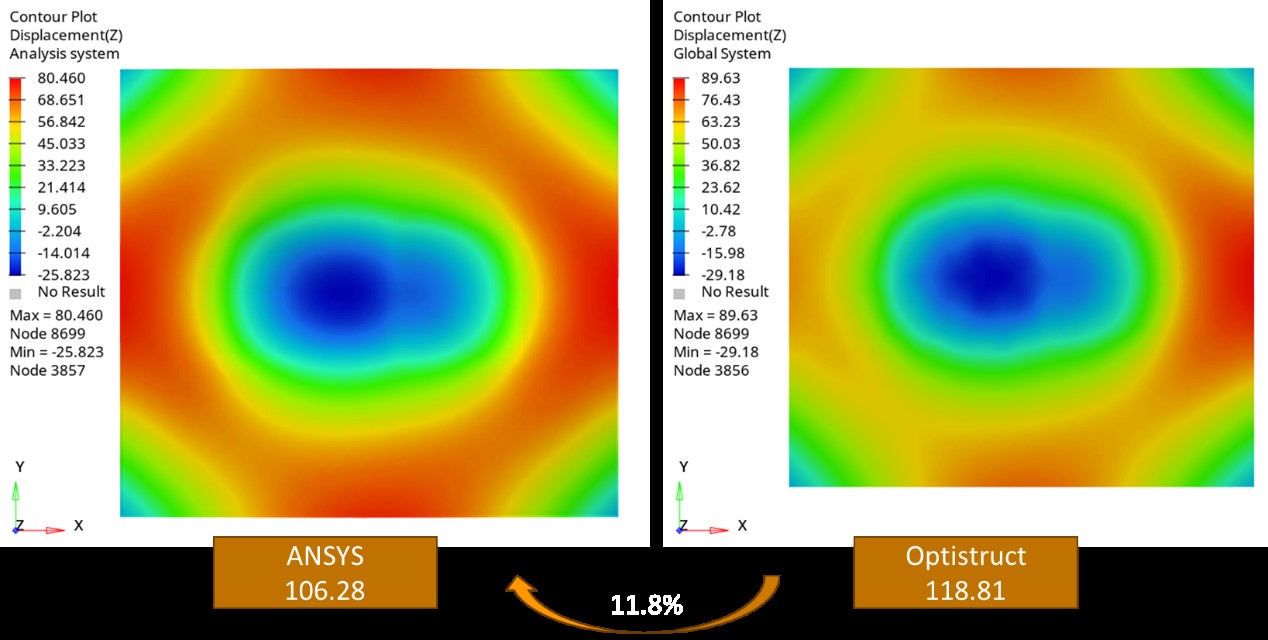
In nonlinear thermal strain analysis, correctly handling the coefficient of thermal expansion (CTE) is key. It is necessary to consider the differences between instantaneous (ICTE) and secant (SCTE) implementations in simulation, while also accounting for both the reference temperature for zero strain in the material and the reference temperature of the global model. Without correction and conversion, analysis errors may result.
By enabling the CTE correction function in OptiStruct, the room-temperature warpage analysis results are almost identical to those of Ansys, with a displacement difference of only about 0.2%. The results confirm that OptiStruct has reliable thermal stress analysis capability and can provide a trustworthy reference for design trends and decision-making.
Richin Technology|Yu-Cheng Lin, Director
Modern CAE software is more powerful than ever and, in theory, should greatly accelerate innovation. In reality, however, engineers often find themselves trapped in endless “digital manual work” —— from repetitive model building to complex analysis settings. These time-consuming and error-prone steps are seriously eroding valuable R&D capacity.
To solve this widely observed “CAE paradox,” Richin Technology leverages deep engineering domain knowledge and strong software development expertise to proudly launch the customized tool suite “RI Program.” Richin Technology’s Director explains in depth how RI Program serves as the key to unleashing engineers’ innovative potential by simplifying workflows through intelligent automation and lowering technical barriers, ultimately releasing substantial R&D throughput and competitive advantages for customers.
We use cookies to collect and analyze information on site performance and usage. By Clicking "Continue" or by clicking into any content on this site, you agree to allow cookies to be placed. To find out more, please visit our privacy policy。
CONFIRM